
Culture
Food for Thought on Skill, Will, and Drill
We can all learn some new skills. That is the easy bit. The will and drill is a choice that only the individual can make.

We can all learn some new skills. That is the easy bit. The will and drill is a choice that only the individual can make.
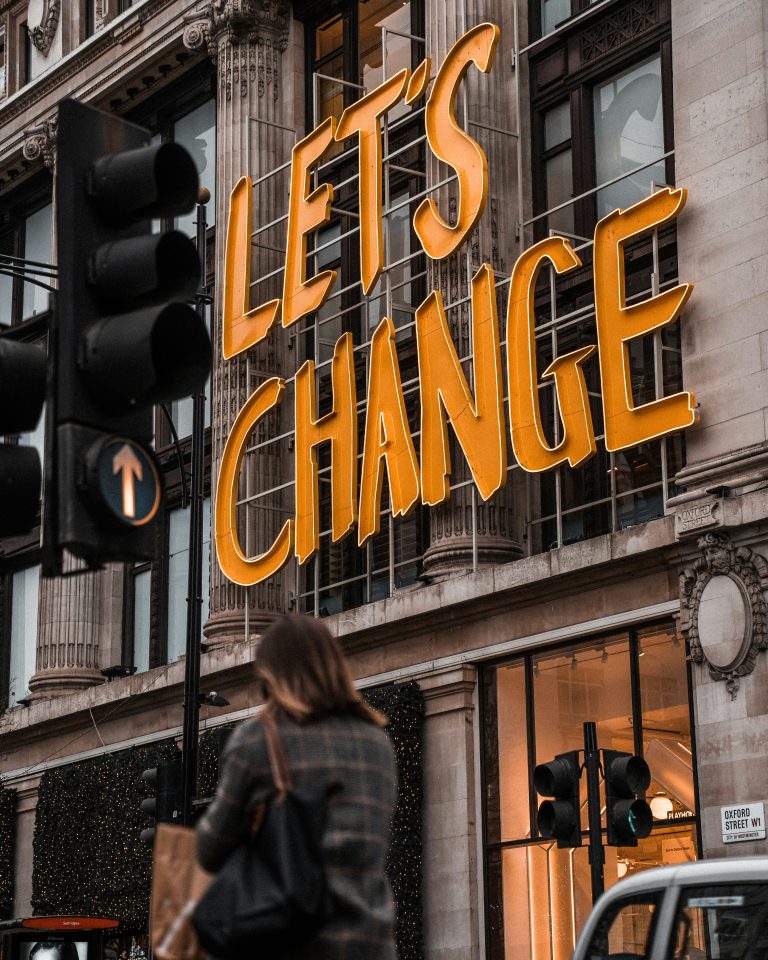
It’s important to understand your work culture (current state) and how it was formed before attempting to make changes.

When you’re optimising at work, make choices that are truly optimal – including experientially.

Recently I’ve had the opportunity to work with the childcare industry, and it’s been a welcome experience. I’ll share some observations about this industry and its people from a non-expert, enthusiastic supporter.
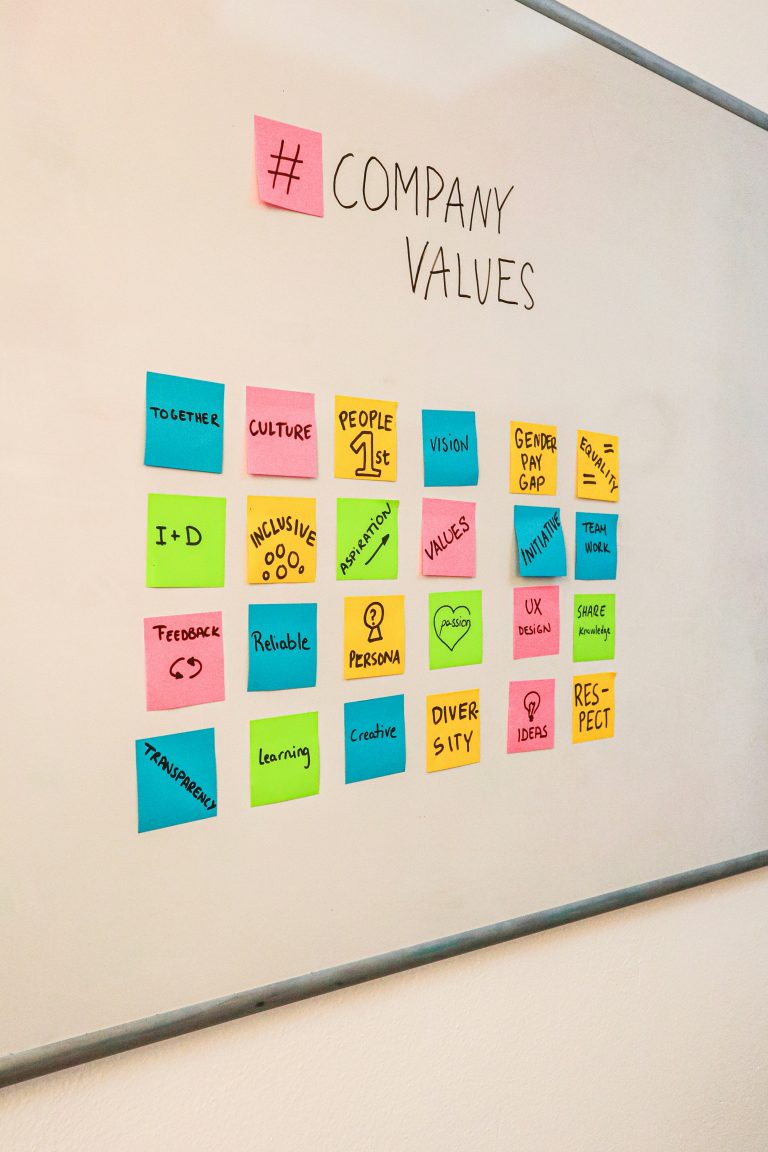
Aspirational framing kicks values-based actions into gear in a way that statements about “who we are” just don’t.
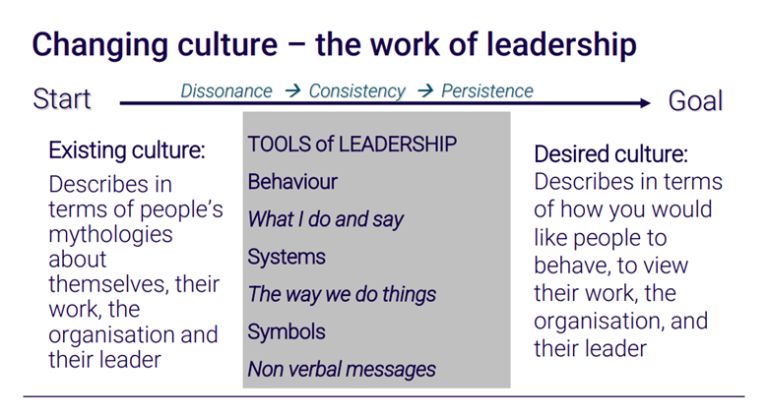
The leader’s job is to use these three tools to create the desired culture.

I was lucky enough to go on a 2-week family trip to Vietnam in April. Among the bánh mì, pho, history and shopping, the trip inspired some thinking about leadership and culture.

Identity is heavily influenced by one’s social environment and interaction. What does this mean for work?
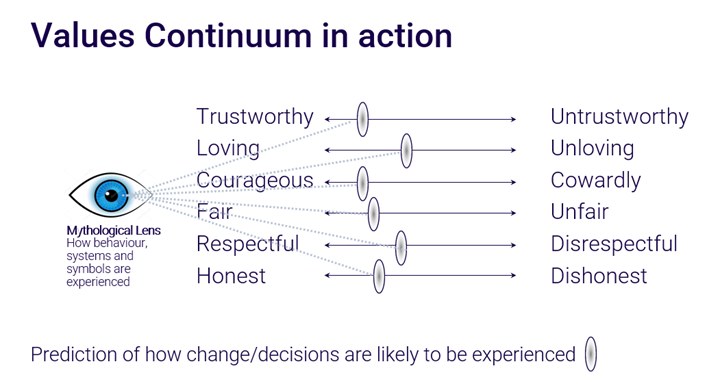
People’s behaviour at work makes sense when you understand how they’re judging what’s going on around them.

I’m asking you to genuinely think about this. It’s very easy to read a thinkpiece about workplace dynamics and then move on, gently reassured that you’re one of the good ones, rather than put work in to make change that lasts.