
Leadership
How to Change Culture – and Minds
A leader needs to understand why people believe in the things they do and how can they be persuaded to change what they think.

A leader needs to understand why people believe in the things they do and how can they be persuaded to change what they think.

The reality is that not everyone has the same idea of what values are attached to particular kinds of behaviour, and also that people have limits on their capability and capacity.

Leaders play a critical role in creating the right conditions to support mental health and wellbeing in the workplace.

That’s why it’s so important socially for us to value persistence; it builds more satisfied human beings who are better at doing what they need to do, and who value the journey.

By organising authorities to ensure decisions are made efficiently at the lowest viable level, organisations can unlock their full potential and achieve sustained success.

Fostering trust between managers and workers is paramount for achieving organisational goals and maintaining employee wellbeing.

Different approaches to private versus public hold significant sway in shaping worker experiences and organisational dynamics.
This phenomenon occurs when individuals intentionally underperform or manipulate situations to their advantage, ultimately impeding the progress of the team or organisation as a whole.
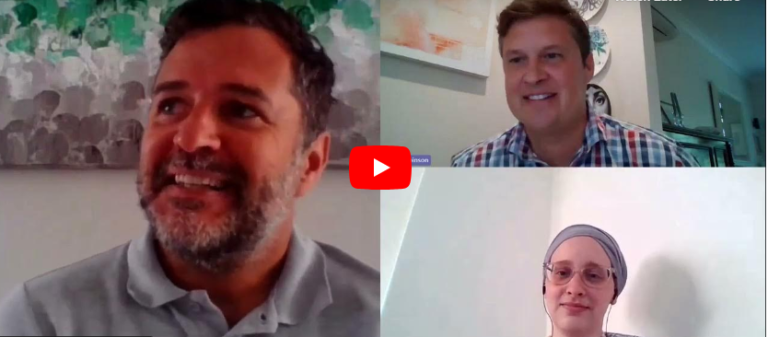
Chally, Nathan, and Sam talk artificial intelligence for organisations.

It’s often seen as low skilled or inconsequential work, when really it’s finely detailed work that keeps everything moving.