
Culture
Organisational Behaviour and How You Think About Your Identity
Identity is heavily influenced by one’s social environment and interaction. What does this mean for work?

Identity is heavily influenced by one’s social environment and interaction. What does this mean for work?

I’m asking you to genuinely think about this. It’s very easy to read a thinkpiece about workplace dynamics and then move on, gently reassured that you’re one of the good ones, rather than put work in to make change that lasts.

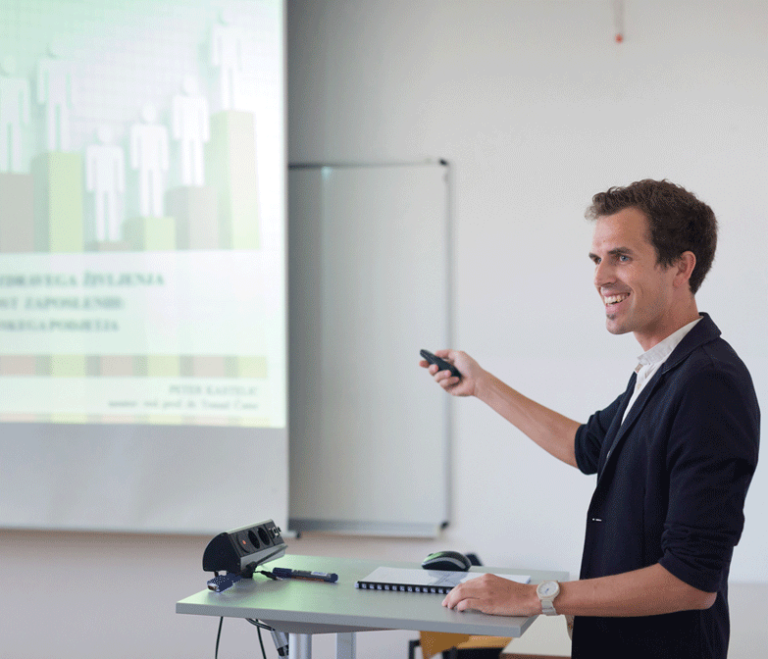
At several times during our longer leadership development programs, we ask participants to present on the tasks they’ve undertaken as part of the programming.

We like delivering programs that connect directly to what people do back at work. We involve organisational leaders, both in their capacity as participants’ managers and as subject matter experts.

The reality is that not everyone has the same idea of what values are attached to particular kinds of behaviour, and also that people have limits on their capability and capacity.

When done right, leadership development isn’t fluff. It’s one of the most practical choices an organisation can make.

Driving cost efficiency and improving quality aren’t opposites, they’re two sides of the same coin.
We work with leaders to design organisational structures and ways of working that enable rather than obstruct.

Delegation isn’t about offloading work. It’s about ensuring decisions and tasks are handled at the right level.

Leaders play a critical role in creating the right conditions to support mental health and wellbeing in the workplace.